
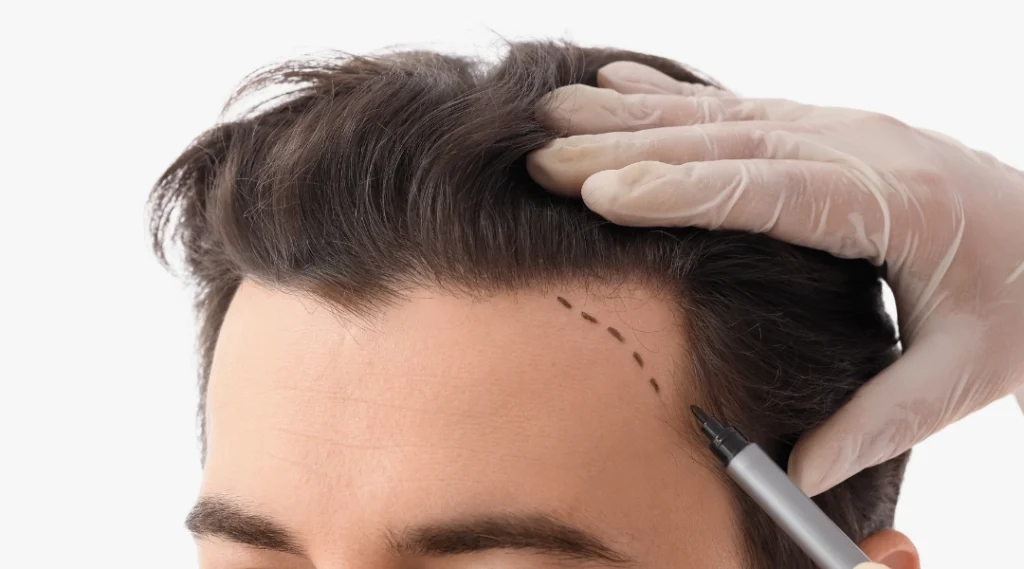
Sapphire FUE Hair Transplant
Sapphire FUE is a FUE hair transplant technique that uses sapphire blades to create the recipient channels. The sharper, smoother incisions can support precise angle control and dense placement for a natural look. With Dr. Metehan Ayaloğlu, the process includes consultation, donor extraction, channel opening, graft placement, and guided aftercare.
If you are researching a modern hair transplant technique that balances precision with natural-looking design, Sapphire FUE is often on the shortlist. The method combines traditional FUE graft extraction with channel opening performed using sapphire blades, which may help with clean incisions and consistent direction control.
What Is Sapphire FUE?
Sapphire FUE refers to the recipient-site creation stage of a FUE hair transplant. After follicles are extracted from the donor area, the surgeon opens tiny channels in the recipient area using blades made from synthetic sapphire. Grafts are then placed into those channels to rebuild the hairline and restore density.
How Sapphire Blades Differ From Steel
Sapphire blades are known for their hardness and smooth surface. In practice, the blade shape can allow very fine, controlled incisions and predictable channel depth. The goal is not a “new” transplant method, but a more refined way to prepare the recipient area for graft placement.
Benefits Of Sapphire FUE
Every patient’s anatomy and goals are different, so outcomes vary. When Sapphire FUE is planned and performed well, patients commonly choose it for these potential advantages:
- Fine channel creation that can support dense packing in suitable areas
- Precise control over angle and direction for a natural hairline and crown pattern
- Clean incisions that may help the recipient area settle smoothly during healing
- A technique that works well for hairline refinement, temple work, and density planning
Who Is A Good Candidate?
A consultation is the only way to confirm suitability. In general, Sapphire FUE may be appropriate if you:
- Have male or female pattern hair loss with a stable donor area
- Want natural-looking restoration with careful hairline design
- Need density improvement in the hairline, mid-scalp, or crown
- Prefer a technique that supports detailed channel planning
When To Get Medical Clearance First
Some conditions can affect healing or graft survival. If you have a medical condition, take prescription medication, or have a history of scalp disease, you may need clearance from your doctor before treatment.
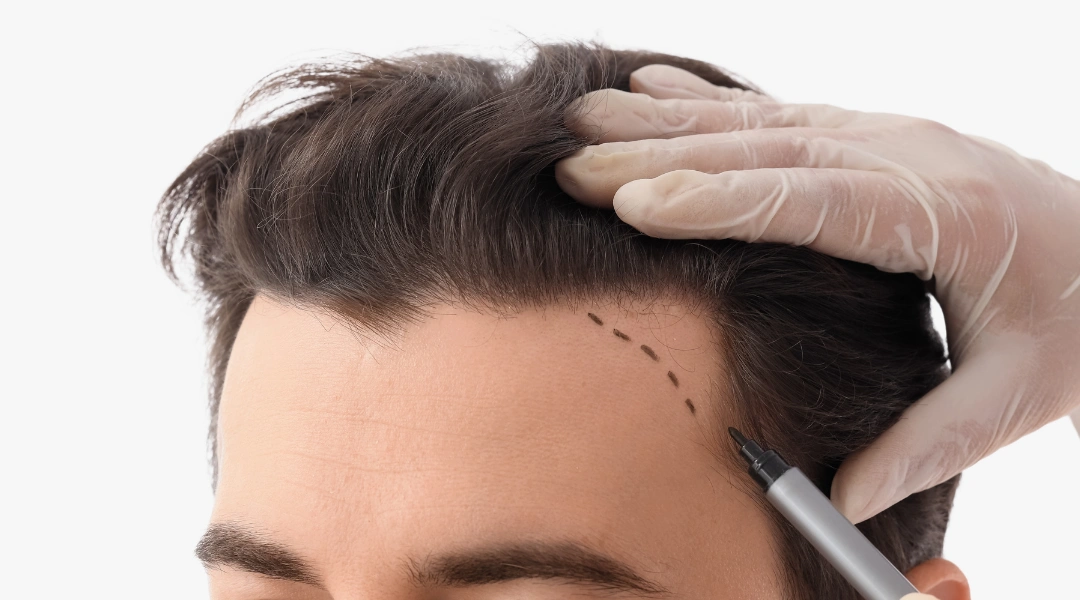
Your Sapphire FUE Procedure With Dr. Metehan Ayaloğlu
A well-executed result depends on planning, gentle graft handling, and consistent technique at every stage. While details vary by patient, a typical process includes the steps below.
1) Consultation And Hairline Design
Your assessment focuses on the pattern of hair loss, donor capacity, hair calibre, and future progression. Hairline design should suit your facial proportions and age, with a graft estimate that prioritises natural density rather than short-term “maximum” numbers.
2) Donor Extraction (FUE)
Follicular units are extracted one by one from the donor area using micro punches. Careful extraction helps preserve donor appearance and protects graft quality for placement.
3) Recipient Site Creation With Sapphire Blades
Sapphire blades are used to open channels that match the planned angle, direction, and density. This step plays a major role in how natural the result looks, especially around the hairline and temples.
4) Graft Placement
Grafts are placed into the prepared channels with attention to spacing and orientation. Single-hair grafts are typically used at the very front for a soft transition, with multi-hair grafts supporting density behind.
5) Aftercare And Follow-Up
You will receive a clear aftercare routine and guidance on washing, sleeping position, and activity limits. Follow-up helps track healing and supports long-term results.
Recovery Timeline
Healing speed varies. The outline below reflects common milestones, but your personalised instructions should always come first.
- Days 1–3: Mild swelling or tightness can occur; tiny scabs form in the recipient area.
- Days 4–10: Scabs gradually shed with gentle washing; redness reduces for many patients.
- Weeks 2–4: “Shock loss” shedding of transplanted hairs is common and temporary.
- Months 3–4: Early regrowth often begins; texture may look fine at first.
- Months 6–9: Noticeable improvement in coverage and styling options.
- Months 12–15: Maturation phase, with better thickness and blend.
Aftercare Tips That Protect Your Grafts
Small habits in the first two weeks can make a real difference. These general tips are not a substitute for your post-op plan, so follow your clinic’s instructions if they differ.
- Avoid touching or scratching the recipient area, especially while scabs are present.
- Sleep with your head elevated for the first nights if advised.
- Skip heavy exercise, saunas, and swimming until you are cleared to return.
- Use only the recommended shampoo/lotion and wash technique.
- Protect your scalp from direct sun exposure during early healing.
What Natural Results Look Like
Natural-looking transplantation is more than “more hair.” It relies on a hairline that suits your face, a gradual density transition, and correct angles that mimic natural growth. When these details are respected, the outcome blends with your existing hair and styles easily.
Risks And Side Effects
Hair transplantation is a medical procedure. Side effects are usually temporary, but you should understand the basics before booking treatment.
- Swelling, redness, or itching during early healing
- Temporary numbness or sensitivity in donor or recipient areas
- Infection or folliculitis (uncommon with proper hygiene and aftercare)
- Uneven growth or limited density if donor supply is restricted
- Scarring risk (typically minimal with FUE, but varies by skin type)
Sapphire FUE Cost In Turkey
Pricing depends on clinical planning rather than a single “standard” fee. Many patients compare offers, but the safest approach is to focus on surgeon involvement, graft handling standards, and transparent planning.
- Estimated graft count and whether one or two sessions are recommended
- Complexity of hairline and temple reconstruction
- The clinic’s medical team structure and follow-up schedule
- Medication/aftercare kits and optional services (hotel/transfer) if offered
For a personalised quote, share clear photos of your hair loss pattern and donor area and ask for an explained graft estimate rather than a single number.
Why Choose Dr. Metehan Ayaloğlu?
Patients usually want three things: a natural hairline, safe clinical standards, and honest planning. If you are comparing clinics, these are practical markers to look for:
- Surgeon-led assessment and realistic graft planning
- Clear explanation of the design choices (hairline shape, density, and direction)
- Sterile clinical environment and careful graft handling throughout the day
- Aftercare guidance that is easy to follow, with access to follow-up support
Frequently Asked Questions
Does Sapphire FUE hurt?
Local anaesthesia is used, so pain is usually minimal during the procedure. Some patients describe pressure or mild discomfort. After the procedure, soreness in the donor area can occur for a few days and is typically manageable.
How many grafts will I need?
Graft count depends on your hair loss pattern, hair calibre, donor capacity, and density goals. A proper consultation should include an explained estimate and a plan that considers future hair loss progression.
Is Sapphire FUE better than standard FUE?
Sapphire FUE refers to using sapphire blades for channel opening. The best choice depends on surgeon skill, planning, and your scalp characteristics. A well-performed standard FUE can look excellent, while Sapphire FUE may suit patients who want very fine channel control for dense and natural placement.
When can I return to work?
Many patients return to desk work within a few days, depending on swelling and personal comfort. If your job is physically demanding, you may need longer. Your clinic should give a timeline based on your procedure details.
Will people notice I had a transplant?
In the first days, small scabs and redness are normal and can be visible. Once healing progresses, the goal is that the final result looks like your own hair, not a “procedure.” Styling options improve as growth matures.