
Men’s Hair Transplant: How It Works, Techniques, And Results
Men’s hair transplant is a procedure that relocates healthy follicles from the back or sides of the scalp to areas affected by thinning. Techniques such as Sapphire FUE and DHI allow precise placement and natural angles. With proper planning and aftercare, transplanted hair grows permanently, with visible changes starting in a few months and maturing over time.
Why Men Lose Hair
Most male hair loss is genetic and hormone-related, often called male pattern baldness. Follicles around the hairline and crown can become sensitive to DHT, which shortens the growth cycle and makes hair finer over time. Temporary shedding from stress or illness can look similar, so a medical assessment helps you choose the right solution.
What A Men’s Hair Transplant Does
A hair transplant moves your own follicles from a donor zone—usually the back and sides—to thinning or bald areas. Follicular units (each holding one to four hairs) are transplanted to rebuild the hairline, temples, mid-scalp, or crown.
Donor hair is typically more resistant to balding, so it tends to keep growing after relocation. A transplant won’t stop future thinning of non-transplanted hair, which is why many men pair surgery with a long-term hair loss plan recommended by their doctor.
Sapphire FUE And DHI: What’s The Difference
Both techniques aim for natural direction, strong graft survival, and minimal scarring. The best option depends on your hair type, donor capacity, and how much coverage you want in one session.
Sapphire FUE
In FUE, grafts are individually extracted from the donor area. Sapphire FUE uses sapphire blades to create tiny recipient channels, supporting precise angles and controlled density. It’s often chosen for broader coverage and detailed hairline work.
DHI
DHI places grafts using an implanter pen, allowing direct implantation with careful control of depth and angle. It can be useful for adding density between existing hairs or refining smaller zones. Your surgeon may also recommend a combined plan when it suits the pattern of loss.
Hairline Design Matters More Than You Think
A convincing hairline fits your facial structure and looks age-appropriate, not overly low or perfectly straight. Soft, irregular micro-details and the right angles at the front create a natural transition that doesn’t “announce” a transplant.
Who Is A Good Candidate
Good candidates usually have a stable donor area, realistic expectations, and a clear understanding of the growth timeline. During consultation, the doctor confirms the cause of hair loss, maps donor density, and plans a distribution that protects the donor area.
- Thinning at the hairline, temples, or crown that affects styling
- Adequate donor density on the back and sides of the scalp
- No uncontrolled scalp disease or active infection
- Willingness to follow aftercare and attend follow-ups
If hair loss is rapidly progressing, it may be better to stabilize it first and then transplant. A conservative plan often looks more natural than chasing maximum density everywhere at once.
What Happens During The Procedure
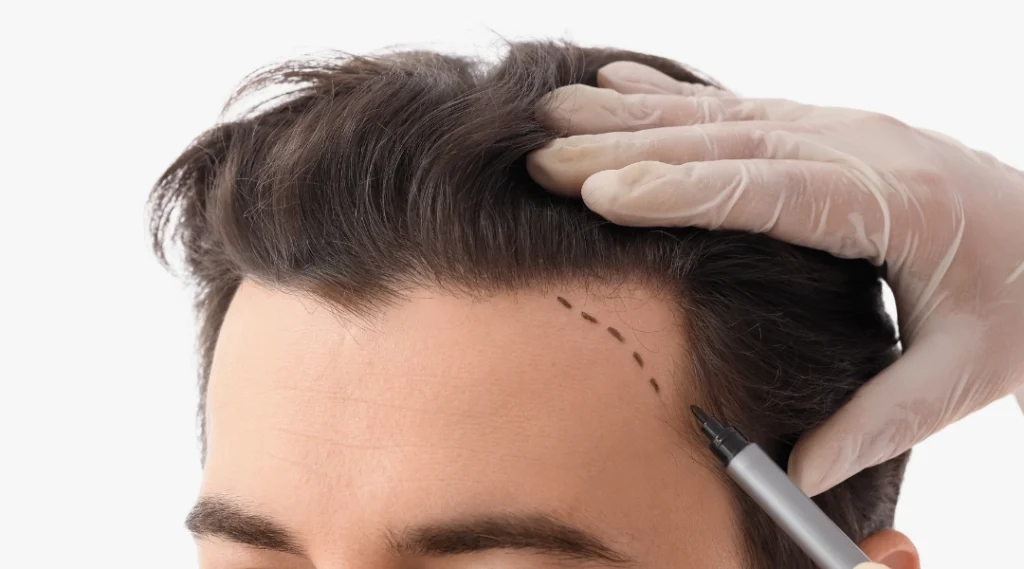
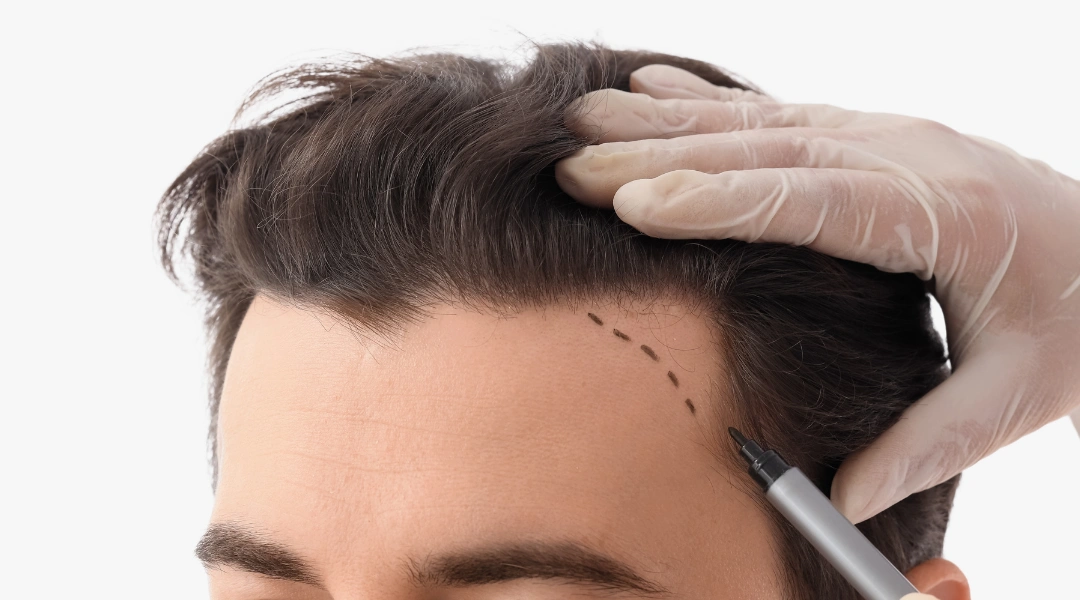
Most men’s procedures are performed under local anesthesia and last several hours, depending on graft count. After the hairline is marked, grafts are extracted, then placed using Sapphire FUE channel creation or DHI implantation. You leave the same day with washing instructions, medication guidance, and a follow-up plan.
Recovery And Results Timeline
Mild swelling, redness, and scabbing are common in the first days. Transplanted hairs often shed in the first weeks, then new growth starts in the following months and gradually thickens.
- Days 1–10: protect grafts, gentle washing as instructed, scabs gradually lift
- Weeks 2–6: shedding may occur (a normal cycle for many patients)
- Months 3–6: early growth becomes noticeable
- Months 6–12+: density and texture continue to mature
How Many Grafts Might You Need
Graft needs depend on the area size, hair caliber, curl pattern, and desired density. Hairline restoration and temple filling often require fewer grafts than crown work, which can demand more to look full. Your consultation should focus on donor safety first, then the best aesthetic use of available grafts.
Side Effects And Safety
Short-term effects can include itching, swelling, numbness, or folliculitis. Serious complications are uncommon when the procedure is physician-led and performed in a controlled clinical environment. Careful aftercare—especially hygiene and avoiding trauma to the grafts—reduces risk and protects growth.
Planning Your Treatment At Dr. Ayaloğlu
Dr. Ayaloğlu starts with a free hair and scalp analysis, then designs a personalized plan based on your donor capacity and goals. As a specialist in medical and surgical dermatology with over 12 years of experience, he focuses on ethical care, natural hairline planning, and balanced density.
If you’re reaching out for an online assessment, clear photos of your hairline, crown, and donor area help the team give a more accurate estimate. A good plan also includes post-op follow-up so you know what’s normal at each stage.
- Ask which technique is recommended (Sapphire FUE, DHI, or both) and why
- Request a realistic graft estimate with donor limits explained
- Discuss long-term hair loss management for non-transplanted hair
- Confirm the aftercare schedule and how follow-ups work
Men’s Hair Transplant FAQ
Is The Procedure Painful
Local anesthesia keeps discomfort low during the procedure. Tenderness in the donor area for a few days is common, and your clinic will guide safe pain relief if needed.
Will I Need To Shave My Hair
Many men shave or trim the donor area to allow clean extraction and accurate placement. Partial shaving may be possible in certain cases, but it depends on your graft plan and hair length.
When Can I Go Back To Work
Desk work is often possible within a few days, while heavy physical work may take longer. Your doctor will tailor guidance for exercise, sweating, sun exposure, and headwear.
Can You Restore The Crown
Yes, crown transplantation is common, though it requires precise angles to match the swirl pattern. Some men treat the hairline first and stage crown work later to protect donor supply.