
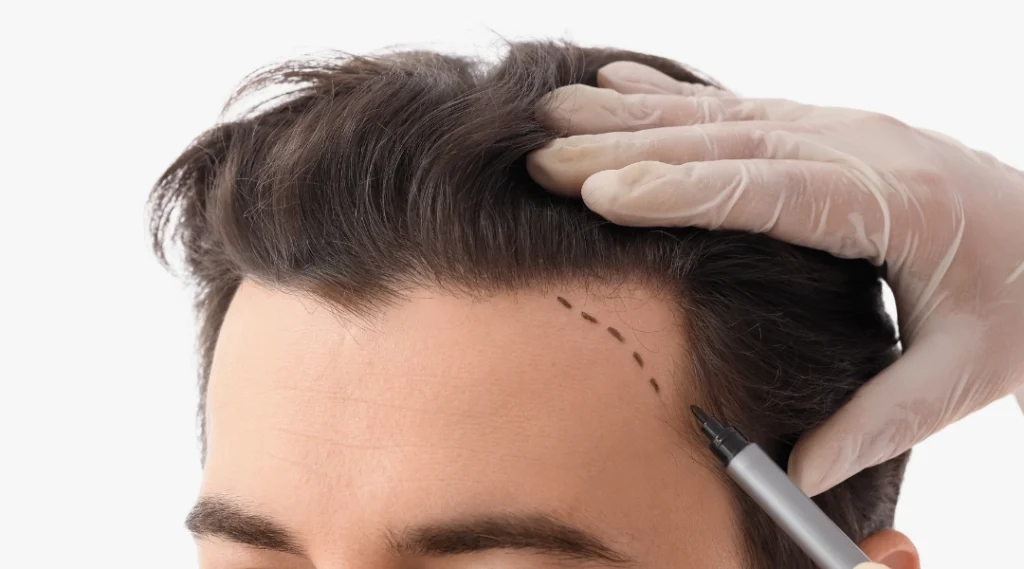
Hair Transplant In Slovakia: Overview Of Medical Standards
Slovakia follows EU and national healthcare rules, so reputable hair transplant clinics must be authorised to provide medical care, employ properly licensed professionals, and follow strict hygiene and sterilisation protocols. Expect documented consent, clear medical records, safe anaesthesia practices, and structured aftercare with a route for complaints through national oversight bodies.
Why Patients Consider Slovakia For Hair Restoration
Slovakia is a practical option for patients who want treatment within the European Union, often with short travel times from nearby countries. Bratislava is easy to reach, and many clinics support international visitors.
Price differences exist, yet safety should lead the decision. Judge providers by medical standards: who performs the surgery, how the facility is authorised, and how aftercare is organised.
How Medical Oversight Works In Slovakia
Hair transplantation in Slovakia sits within the country’s broader healthcare framework. Providers are expected to operate as authorised healthcare facilities, and clinicians should meet professional licensing and competency rules.
For patients, the checklist is straightforward: the clinic should confirm it is permitted to operate as a healthcare provider, and the responsible doctor should be identifiable, qualified, and accountable.
Facility Authorisation And Scope Of Services
A trustworthy clinic can explain what healthcare services it is authorised to provide and where that authorisation comes from. If a provider cannot clearly confirm this, treat it as a warning sign.
Who Should Perform The Surgical Steps
A hair transplant involves medical decisions and surgical technique, especially during donor assessment, anaesthetic planning, extraction strategy, and recipient-site design. In high-standard clinics, a licensed physician plans the case and remains directly involved during the critical steps.
Technicians may assist with preparation and support tasks, yet the overall responsibility should stay with the doctor in charge.
Documentation, Consent, And Medical Records
You should receive informed consent that explains benefits, limits, risks, and realistic timelines for growth. Expect a written care plan, recorded clinical notes, and guidance on how to contact the clinic once you are back home.
Hygiene, Sterilisation, And Infection Prevention
Good results depend on meticulous infection control. A clinic should follow a clean workflow, separate sterile and non-sterile zones, and use proper hand hygiene and protective equipment for every patient.
Ask how instruments are sterilised (for example, validated autoclave cycles) and which items are single-use. You should also see clear policies for sharps disposal and medical waste handling.
Anaesthesia And Patient Monitoring
Most hair transplants are performed under local anaesthesia, sometimes with light sedation. Medical standards require careful dose calculation, allergy checks, and a plan for adverse reactions.
Look for basic safety infrastructure: patient monitoring during the procedure, trained staff on-site, and access to emergency equipment.
Graft Handling And Quality Control During FUE
Technique names (FUE, FUT, DHI) matter less than how grafts are handled. Grafts are living tissue, so hydration, temperature control, and gentle handling influence survival.
Clinics with strong standards use clear counting and tracking methods and avoid overloading staff with unrealistic daily graft targets.
Pre-Operative Medical Screening You Should Expect
A responsible clinic screens more than your hairline. You should be asked about medical history, medications, smoking, bleeding risk, and previous scalp conditions.
Your consultation should include a realistic assessment of donor capacity and long-term planning, not a promise of maximum graft numbers for everyone.
Aftercare Standards And Follow-Up
Aftercare is part of the medical service. You should receive a day-by-day plan for washing, sleeping position, physical activity, and what is normal during shedding and regrowth.
A solid clinic schedules at least one post-op review and offers remote follow-up for international patients, with clear guidance on when to seek medical help.
How To Verify A Clinic Before You Travel
Before you pay a deposit, ask for proof and clarity. A clinic that meets medical standards will usually welcome these questions.
A Practical Checklist
- Confirm the clinic is authorised to provide healthcare services in Slovakia and ask where you can verify it.
- Ask for the full name of the doctor responsible for your surgery and confirm their professional registration.
- Request a written treatment plan (technique, graft range, hairline plan, and realistic expectations).
- Ask who performs extraction, site creation, and implantation, and how many cases the team treats per day.
- Check sterilisation practices, single-use items, and what monitoring is used during local anaesthesia or sedation.
- Review aftercare support, follow-up timing, and what happens if a complication appears after you travel home.
- Make sure pricing is transparent about what is included and what may cost extra.
Red Flags Worth Taking Seriously
- No named doctor, or refusal to confirm who performs the surgical steps.
- Unrealistic graft counts or “guaranteed” density without examining your donor area.
- Pressure tactics such as today-only pricing or booking without medical screening.
- Vague answers about hygiene, sterilisation, or emergency readiness.
- No clear follow-up plan once you leave Slovakia.
Frequently Asked Questions
Is Hair Transplant Surgery Regulated Like Other Medical Procedures In Slovakia?
Yes. Hair transplantation is provided in a medical setting and should follow the same principles of authorisation, professional accountability, and patient safety as other outpatient procedures.
Can Technicians Extract Or Implant Grafts?
Staff roles vary, yet the safest standard is clear medical leadership. The physician should plan the case, make key surgical decisions, and supervise any delegated steps.
What Documents Should I Receive After The Operation?
Expect consent forms, post-op instructions, and a short summary of what was performed (technique, approximate graft count, and medications given). You should also receive contact details for follow-up.
How Soon Can I Fly Home After A Hair Transplant?
Many patients travel within a few days, but timing depends on swelling risk, your comfort, and the clinic’s review schedule. Follow the advice given for your own case.