
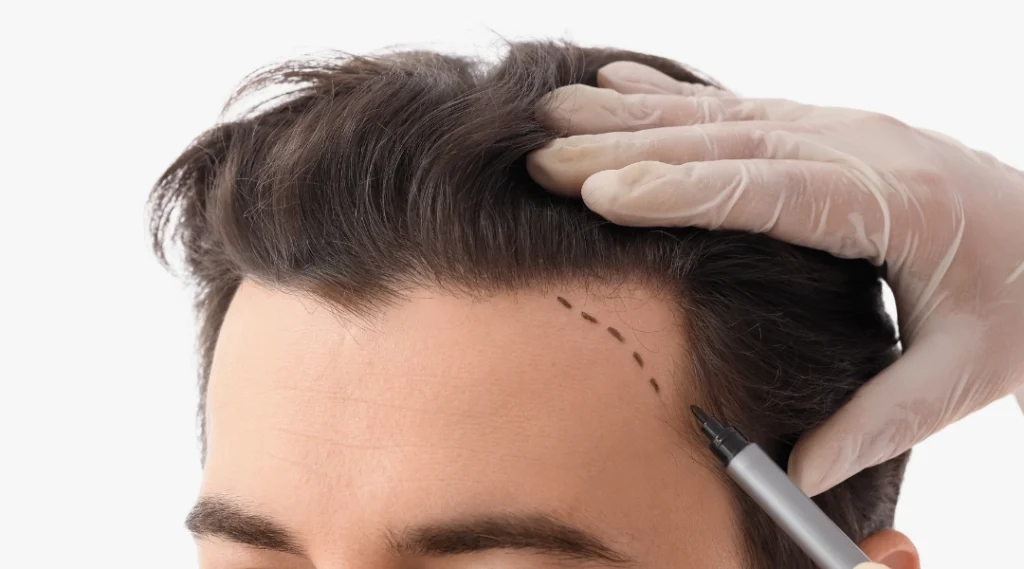
What Is Afro Hair Transplant?
Afro hair transplant is a hair restoration procedure tailored to Afro-textured (type 4) hair, where follicles curve under the skin. Surgeons adapt extraction and placement angles to protect grafts and keep the natural curl pattern. With the right technique—often FUE-based—patients can restore a natural hairline and density.
Afro hair transplant is designed for people with tightly curled or coiled hair. You may also see it described as an African hair transplant or a hair transplant for Black hair. The goal is straightforward: move healthy follicles from the donor area (usually the back and sides) into thinning or balding zones.
What changes is the follicle’s shape under the skin. In many patients, the root curves, so extraction and implantation must be planned to reduce follicle damage and keep the final pattern natural.
Afro Hair Structure And Why It Matters
Afro-textured hair often looks fuller because curls create volume, even with fewer hairs per square centimeter. Beneath the surface, follicles can be curved or hook-shaped rather than straight.
During extraction, the surgeon must avoid cutting through the curved follicle (transection). Small adjustments in punch depth and angle can protect graft survival and help the donor area heal cleanly.
What Makes Afro Hair Transplant Different From Standard FUE
The procedure is less forgiving than straight-hair cases. Planning starts with mapping curl pattern, hairline shape, and donor capacity, then matching the technique to the scalp and follicle characteristics.
Because curls give visual density, an effective plan often prioritizes the frontal zone and mid-scalp first. The right distribution can look dense while keeping donor harvesting conservative.
Techniques Used For Afro-Textured Hair
Several techniques can work well for Afro-textured hair. The best choice depends on the area size, the density target, and how the follicles behave during extraction.
Sapphire FUE
FUE (Follicular Unit Extraction) removes follicles one by one from the donor area. In Sapphire FUE, sapphire blades are used to create the recipient channels, aiming for consistent incision size and controlled placement.
For Afro hair, channel direction and angle are key. When the channels are designed with curl behavior in mind, the transplanted hair blends naturally instead of looking “pluggy” or upright.
DHI Method
DHI (Direct Hair Implantation) uses an implanter pen to place grafts directly into the scalp. It can help with fine control of angle and direction, especially at the hairline.
Not every Afro hair case benefits from DHI. A surgeon-led consultation should explain whether DHI improves your result or whether a FUE-based plan is the better match for your follicles and scalp.
Step-By-Step: How The Procedure Works
At Dr. Metehan Ayaloğlu’s clinic, the process typically follows four stages, built around medical assessment and individualized planning.
1) Hair And Scalp Analysis
Your scalp is examined to understand hair loss pattern, donor density, curl characteristics, and any skin conditions that could affect healing.
2) Personalized Treatment Plan
The plan covers hairline design, priority zones, an estimated graft range, and technique selection (such as Sapphire FUE or DHI).
3) The Procedure Day
Grafts are extracted with attention to follicle direction and depth. Recipient sites are created or grafts are implanted, then follicles are placed to match natural angles and create a soft front transition.
4) Post-Op Follow-Up And Care
Aftercare focuses on protecting grafts, controlling swelling, and supporting comfortable healing. Follow-ups track progress and help you manage the early growth phase.
Recovery Timeline And When You See Growth
Most patients return to light daily activities within a few days, though the first 10 days are about protecting the grafts. You’ll see small scabs that fall away with gentle washing as advised.
Between weeks 2 and 8, many people notice “shock shedding,” where the transplanted hairs fall out. This is usually temporary because the follicles remain in place under the skin.
New growth commonly starts around months 3 to 4. Texture and density improve steadily, with more mature results often seen between months 9 and 12.
Who Is A Good Candidate For Afro Hair Transplant
You may be a good candidate if you have a stable pattern of hair loss and enough donor density to cover your priority areas. Your overall health matters, and certain medical conditions or medications can affect eligibility.
Women can also be candidates, especially with traction alopecia or localized thinning. Diffuse thinning needs a precise diagnosis first, since some causes are better treated medically.
A consultation should cover:
- Donor area strength and safe extraction limits
- Scalp health and any history of keloid scarring
- Realistic density goals for your hair type
- A long-term plan if hair loss is progressing
Common Questions About Afro Hair Transplant
Will The Transplanted Hair Keep Its Curl Pattern?
In most cases, yes. The curl pattern is largely determined by the follicle itself, so transplanted hair usually grows with the same texture it had in the donor area.
Does Afro Hair Transplant Leave Visible Scars?
With modern FUE-based methods, scarring is usually tiny and scattered in the donor zone. Visibility depends on skin healing, punch size, and how short you wear your hair.
If you have a tendency toward keloids, share that history early. The surgeon can assess your risk and tailor the plan.
How Many Grafts Do I Need?
Graft counts vary widely. Afro-textured hair can create strong visual coverage because curls add volume, but the correct number depends on the area size, hair caliber, and your density goal.
A realistic plan sets a graft range rather than a single “guaranteed” number. Be cautious of clinics that promise extreme graft counts without assessing your donor area.
How Do I Choose A Clinic For Afro Hair Transplant?
Look for surgeon involvement, healed results in patients with similar texture, and clear answers about technique selection. Ask who performs extraction, who creates recipient sites, and how grafts are protected outside the body.