
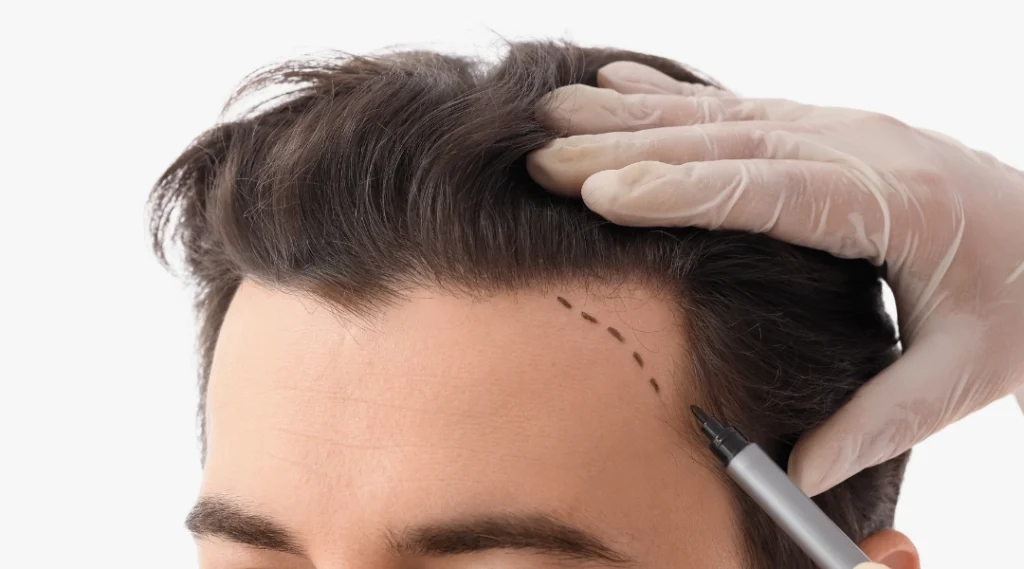
Female Hair Transplant
Female hair transplant moves healthy follicles from the donor area to thinning zones such as the hairline, temples, or part line. When hair loss is stable and the donor area is strong, techniques like FUE or DHI can rebuild natural density with minimal scarring. A proper diagnosis is essential before surgery.
Hair loss in women is rarely one-size-fits-all. Some patients see a widening part line, others notice thinning at the temples or along the frontal hairline, and many have a mix of patterns. A transplant can be a strong option, but only after we understand the cause and confirm that the donor area is reliable.
Dr. Metehan Ayaloğlu offers female-focused hair restoration plans that prioritize natural design, density planning, and a calm, discreet patient experience. Your treatment plan is built around your hair type, styling habits, and long-term goals, not a generic graft number.
Why Women Choose Hair Transplant Surgery
A female hair transplant is usually about restoring balance and framing the face again. Common goals include:
- Softening a receding or high hairline
- Filling thinning temples or temporal points
- Improving a widening part line when the pattern is suitable
- Camouflaging scars from surgery, injury, or burns (after assessment)
- Correcting traction alopecia from tight hairstyles once traction has stopped
Every case starts with an honest conversation about what is achievable. If the underlying hair loss is still active, we may recommend stabilizing it first so the results last.
Understanding Female Hair Loss
Women can lose hair for many reasons, and the right solution depends on the diagnosis. Hormonal changes, genetics, nutrition, stress, thyroid conditions, and certain medications can all play a role.
During your consultation, we focus on pattern, stability, and donor strength. In some cases, medical treatment or lifestyle changes are the first step, with surgery considered once shedding is under control.
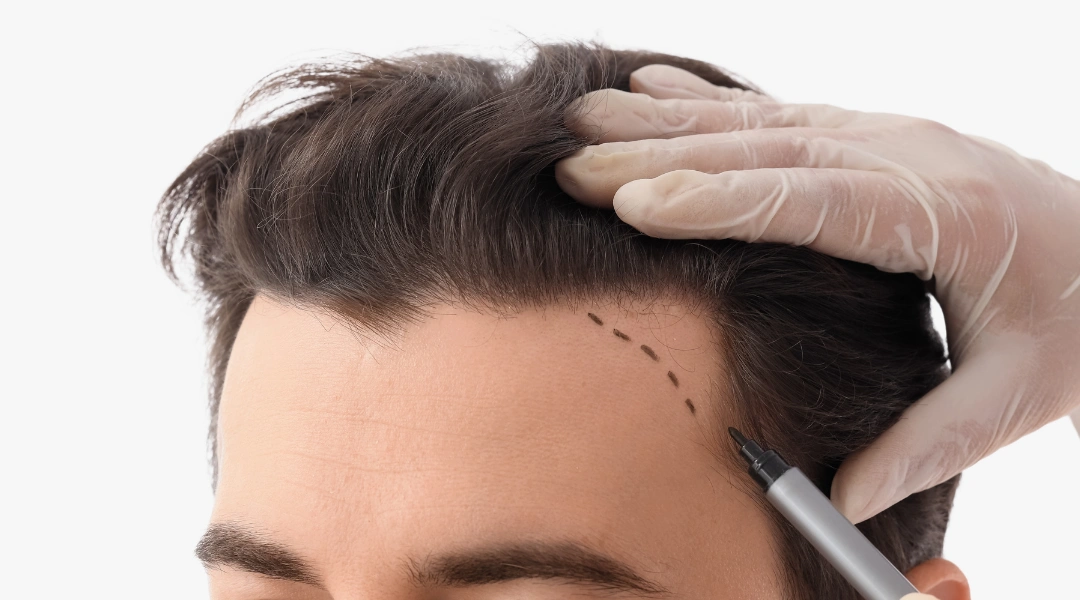
Are You A Good Candidate For A Female Hair Transplant?
Most suitable candidates share three things: a stable pattern of loss, a strong donor area, and realistic expectations. You may be a good candidate if you:
- Have thinning mainly at the hairline, temples, or specific patches
- Have enough donor density at the back or sides of the scalp
- Do not have ongoing rapid shedding or active scalp inflammation
- Can commit to aftercare and follow-up
A transplant may not be recommended for diffuse unpatterned thinning, certain scarring alopecias, or uncontrolled medical conditions. If surgery is not the best choice, you should still leave with clear next steps.
Techniques We Use
FUE (Follicular Unit Extraction)
FUE removes individual follicular units from the donor area and implants them into the thinning zones. It avoids a linear scar and usually allows hair to be worn comfortably in many styles.
FUE can work well for hairline refinement, temple filling, and small-to-medium coverage areas. The exact approach depends on hair caliber, curl, and how your scalp heals.
DHI (Direct Hair Implantation)
DHI uses an implanter tool to place grafts with fine control over angle and direction. It can be helpful when we want extra precision in tight zones such as the hairline.
Not every patient needs DHI, and it is not “better” by default. The best technique is the one that matches your pattern, donor capacity, and density plan.
Designing A Natural Hairline For Women
A feminine hairline usually looks soft, slightly irregular, and age-appropriate. The goal is to avoid harsh straight lines and to blend new follicles into existing hairs.
We plan direction, angulation, and spacing so the result works with your usual parting and styling. If you wear your hair up often, we factor that into the temple and hairline design.
What To Expect On Procedure Day
Most female hair transplants are done under local anesthesia with comfort-focused support. Your day is typically structured like this:
- Planning and hairline marking: We confirm the design together, including the density plan and the areas to prioritize.
- Donor harvesting: Follicles are collected from the donor zone with careful spacing to protect overall density.
- Graft preparation: Each graft is checked and sorted to match the natural look of the target area.
- Implantation: Grafts are placed at the planned angles to blend with existing hair and create natural movement.
You will go home the same day with written aftercare instructions. A support line for questions during the first week is part of safe, patient-centered care.
Recovery And Results Timeline
Recovery is usually straightforward, but the growth timeline takes patience. A typical pattern looks like this:
- Days 1–7: mild swelling or tightness can happen; scabs form and begin to shed
- Weeks 2–6: transplanted hairs often shed (this is expected)
- Months 3–4: early regrowth starts, usually fine at first
- Months 6–9: noticeable thickening and coverage improvements
- Months 12–15: mature results with better texture and density
Results vary by hair caliber, contrast with scalp color, and the original condition of the recipient area. We plan for realistic density so the transplant ages well.
Female Hair Transplant Cost
Pricing is based on the complexity of the case, the technique used, and the number of grafts needed to achieve a natural result. The most accurate quote comes after an in-person or online assessment with clear photos.
If you compare clinics, look beyond the headline price. Hairline design, donor management, and aftercare standards are what protect both your result and your long-term options.
Why Choose Dr. Metehan Ayaloğlu
Female hair restoration is detail work. Small choices in angle, spacing, and graft selection can change how natural the hairline looks in real life.
Dr. Metehan Ayaloğlu focuses on careful planning, conservative donor use, and a personalized approach that respects privacy. You should expect transparent recommendations, including when surgery is not the right step yet.
Frequently Asked Questions
Does a female hair transplant work for thinning on the crown?
It can, but it depends on the pattern and stability of the loss. Diffuse thinning often needs medical stabilization first, and some cases are better treated with non-surgical options.
Will I need to shave my whole head?
Not always. Many women choose partial shaving or “hidden” donor trimming, depending on hair length and the technique. This is discussed during planning so you can prepare for styling during recovery.
Is the procedure painful?
Local anesthesia is used, so discomfort is usually minimal during the procedure. Some soreness or tightness can happen afterwards and is typically managed with standard medication.
How many grafts do women usually need?
There is no universal number because each hairline and density goal is different. The plan is based on donor capacity, area size, and the density that will look natural.
When can I dye or style my hair again?
Gentle washing starts early, but coloring and heat styling should wait until the scalp has healed. Your aftercare plan will include timing based on how your skin is recovering.
Can hair transplant help traction alopecia?
Yes, once traction has stopped and the area is stable. If follicles are permanently damaged, transplanting can rebuild the hairline or edges, though expectations must stay realistic.
Will the transplanted hair fall out later?
Transplanted follicles are taken from genetically resistant areas, so they are usually long-lasting. Existing non-transplanted hair can continue to thin over time, which is why diagnosis and long-term planning matter.
What should I do before the consultation?
Bring a list of medications and any relevant blood work if you have it. If you can, take clear photos in good light showing the hairline, temples, top, and donor area for an accurate first assessment.