
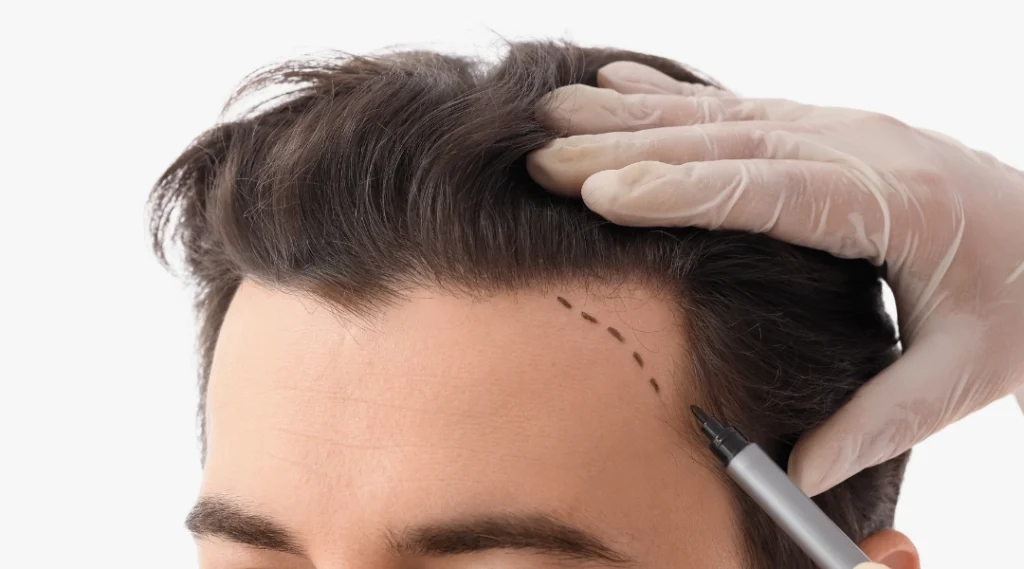
Why Is Turkey the World’s Leading Hair Transplant Destination?
Turkey has become the world’s leading hair transplant destination because it pairs high-volume clinical experience with modern techniques—especially FUE, Sapphire FUE, and DHI—at prices that are often far lower than in Western countries. Strong medical tourism infrastructure, short flight times to Istanbul, and packaged logistics make treatment simpler, provided you choose a doctor-led, licensed clinic.
Turkey’s Hair Transplant Reputation Is Built On Results
People don’t travel for a haircut. They travel for a natural-looking hairline, predictable density, and a clinic experience that feels professionally managed from consultation to follow-up.
Turkey—especially Istanbul—earned its reputation by combining experienced medical teams with a mature medical-tourism ecosystem. When the right clinic is chosen, patients can plan treatment and travel efficiently without compromising standards.
High-Volume Experience That Sharpens Technique
Hair transplantation is microsurgery with an aesthetic endpoint. Graft handling, channel angle, and donor-area management are the details that separate an average result from a natural one.
Turkey’s top clinics perform a high number of procedures, which tends to accelerate team experience and quality control—particularly in doctor-led practices where the physician plans the case and supervises the critical steps.
Modern Methods That Suit Different Hair-Loss Patterns
Most patients comparing a hair transplant in Turkey are deciding between FUE, Sapphire FUE, and DHI. Technique choice should match your donor supply, hair caliber, and how much coverage you realistically need.
FUE: Versatile And Widely Used
FUE extracts grafts one by one from the donor zone and implants them into prepared channels. It works well for broader coverage and avoids a linear scar.
Sapphire FUE: Precision In Channel Creation
Sapphire FUE uses sapphire blades to create recipient channels with controlled incision size and refined angle direction. It’s often selected for frontal work where natural transitions matter.
DHI: Direct Placement With An Implanter Pen
DHI places grafts with a pen-like implanter, which can support fine angle control and reduce time outside the body. It’s commonly used for smaller zones or detailed refinement.
Why Hair Transplants In Turkey Are More Affordable
Pricing is a major reason “Turkey hair transplant” searches are so common. Lower fees are largely driven by local operating costs and competition in a mature market, and many clinics bundle transfers and accommodation into one package.
Price alone shouldn’t decide anything. If a quote seems unusually low, ask what’s included, who performs each stage, and what safety and follow-up systems are in place.
Medical Tourism Infrastructure Removes Friction
Istanbul is a major flight hub, and reputable clinics run streamlined schedules for international patients—airport pickup, hotel logistics, procedure timing, and early post-op checks—so recovery is the priority in the first days.
Safety First: How To Choose A Clinic In Turkey
Popularity also means quality varies. Established hair restoration organizations have warned patients about technician-led “black market” setups, so due diligence matters.
- Confirm it’s doctor-led and ask which steps the doctor personally performs.
- Ask who extracts and implants grafts, and whether the setting is a licensed, sterile clinical environment.
- Request a clear plan: graft estimate, hairline design, donor limits, and long-term strategy.
- Review consistent before-and-after cases similar to your hair type and hair-loss pattern.
- Clarify aftercare, medications when appropriate, and how follow-up is handled once you’re home.
Questions Worth Asking In Your Consultation
- Who designs my hairline and decides graft placement?
- How do you protect the donor area from overharvesting?
- Which technique do you recommend for me—FUE, Sapphire FUE, DHI—and why?
- What does the first 14 days of aftercare look like day by day?
Planning And Aftercare Determine Long-Term Satisfaction
A transplant is a one-day procedure, but the result is built over months. Most patients go through scabbing, temporary shedding (“shock loss”), then gradual regrowth, with cosmetic improvement strengthening as hairs mature.
Aftercare discipline matters: gentle washing, minimizing friction, and following clinical guidance can protect fragile grafts and reduce preventable setbacks.
A Doctor-Led Approach Supports Long-Term Strategy
Hair loss isn’t always solved by “more grafts.” Scalp health, ongoing thinning, and donor capacity all affect what a good plan looks like.
On drayaloglu.com, Dr. Ayaloğlu is presented as a specialist in medical and surgical dermatology with over 10 years of experience, with an emphasis on personalized planning and techniques such as Sapphire FUE. That consultation-led approach helps patients understand options and set realistic expectations before surgery.
Frequently Asked Questions
How Long Does A Hair Transplant Take In Turkey?
Most procedures are completed in a single day. Clinics usually schedule consultation, surgery, and an early post-op check within a short visit window.
When Will I See Results?
Hair growth is gradual. Visible change often starts after a few months, with stronger improvement as growth matures over time.
Is A Hair Transplant Painful?
Local anesthesia is used during the procedure. Mild tenderness afterward is common and is typically managed with practical aftercare guidance.
Can Women Get Hair Transplants In Turkey?
Yes, depending on the cause and pattern of hair loss. A doctor-led diagnosis is essential because diffuse thinning can require a different strategy.